
Local travel guide
National Geographic Names Maya Ka’an One of the Best Places to Visit in 2027 — Here’s What It Actually Is
National Geographic named Maya Ka’an one of the best places to visit in 2027. Here’s what the community-tourism region actually is, where to start and how to plan a visit.
Last updated: October 28, 2026.
National Geographic has put Maya Ka’an, Quintana Roo, on its Best of the World 2027 list. That sounds like a new destination just appeared on the map.
It did not.
Maya Ka’an is not one resort, one town or one attraction. It is a broad community-tourism region in central and southern Quintana Roo that connects the Sian Ka’an Biosphere Reserve, Maya communities, archaeological sites, lagoons, forests and small towns around places such as Muyil, Felipe Carrillo Puerto, Señor, Tihosuco and Punta Allen.
That distinction matters. If you search “Maya Ka’an” expecting a single entrance gate or downtown, you are planning the wrong trip.
Why National Geographic picked Maya Ka’an
National Geographic published its Best of the World 2027 list on October 20, 2026, selecting 25 destinations across six continents. Maya Ka’an was the Mexico pick highlighted for community-led tourism, living Maya culture and conservation-focused nature experiences.
Its separate Maya Ka’an guide points travelers toward experiences such as:
- Muyil and the waterways of Sian Ka’an.
- Punta Allen and marine wildlife excursions.
- Tihosuco and the history of the Caste War.
- Señor, where community hosts share farming, cooking and Maya traditions.
- Kantemó and its unusual cave wildlife.
- Small-community stays and locally guided nature experiences.
The point is not simply that the scenery is beautiful. The story National Geographic is highlighting is that tourism here is intended to be led by the communities that live in the region.
What Maya Ka’an actually is
The easiest way to understand Maya Ka’an is to think of it as a region rather than a single destination.
Caribe Mexicano describes it as the interior of Quintana Roo, south of Cancun and alongside Tulum, with jungle, lagoons, wetlands and Maya communities. FONATUR has also designated Maya Ka’an as one of Mexico’s first Community Tourism Destinations.
In March 2026, FONATUR announced Maya Ka’an as one of the first three destinations in that national program. In August, FONATUR and the Quintana Roo government signed an agreement aimed at improving planning, infrastructure and promotion in the region.
The state also announced MX$20 million for actions including signage, public-space improvements, urban image and strengthening the Guerra de Castas tourism route.
So this is not a new theme park or a newly built attraction. It is an existing region receiving more national and international attention—and more tourism infrastructure.
Sian Ka’an is the natural anchor
For many travelers, the most recognizable part of Maya Ka’an is the Sian Ka’an Biosphere Reserve, a UNESCO World Heritage Site south of Tulum.
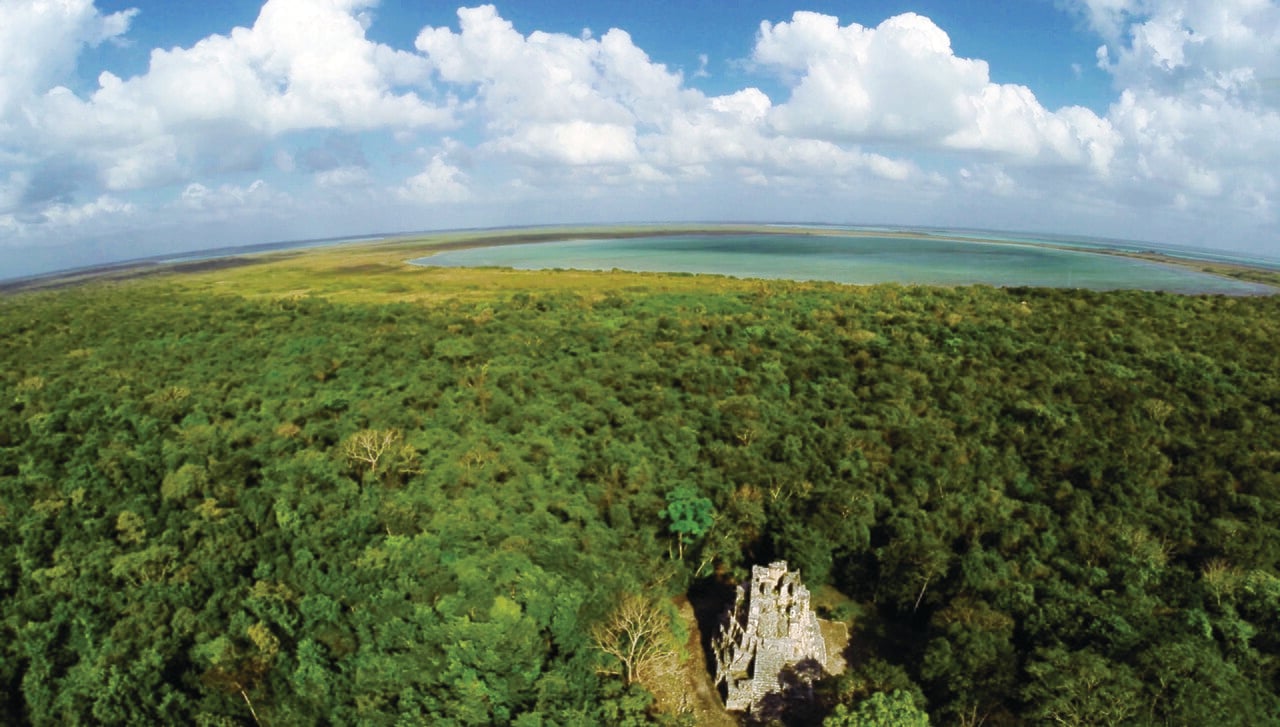
The reserve includes wetlands, mangroves, lagoons, coastal ecosystems and wildlife habitat. Muyil gives travelers one of the easiest ways to combine archaeology with the reserve’s waterways.
National Geographic specifically highlights Muyil, where ancient Maya structures sit near the lagoon system and historic water routes.
If your idea of Maya Ka’an is “ruins plus lagoons plus a locally guided boat experience,” this is probably the most straightforward place to start.
For broader Tulum planning, see our Tulum Visitor Guide.
Felipe Carrillo Puerto is the cultural gateway
The other important starting point is Felipe Carrillo Puerto.
The official Tren Maya site describes the city as a gateway to Maya history, the Guerra de Castas and the Sian Ka’an region. It now has its own Tren Maya station, making the inland side of Maya Ka’an easier to reach without driving the full route from Cancun.
This is a different trip from a Tulum beach day.
Felipe Carrillo Puerto puts you closer to inland communities, local markets, historical sites and community-based cultural experiences. From there, travelers can continue toward places such as Señor, Tihosuco, Chunhuhub and other smaller communities depending on the experience they have booked.
Punta Allen is the remote coastal side
Punta Allen, inside the Sian Ka’an region, is the coastal version of the experience.
It is a small fishing community reached through the reserve, known for boat excursions in Ascension Bay and wildlife such as dolphins, sea turtles, rays and birds.
Do not treat Punta Allen like a quick stop between Tulum attractions. The road, reserve access and excursion timing can turn it into a substantial day.
If this is your priority, plan around Punta Allen rather than trying to squeeze it into an already crowded Tulum itinerary.
Can you visit Maya Ka’an from Cancun?
Yes—but do not plan it as one generic “Maya Ka’an day trip.”
From Cancun, first decide which version of the region you actually want:
- Muyil + Sian Ka’an waterways — best for a first taste of archaeology and nature.
- Felipe Carrillo Puerto + a community experience — better for culture, history and inland Maya communities.
- Punta Allen — best for a longer nature and marine-wildlife day.
- An overnight or multi-day route — best if you want to combine culture, reserve experiences and smaller communities without rushing.
The Tren Maya can help with access to Felipe Carrillo Puerto, but train schedules, station transfers and the final trip to individual communities still need to be planned separately.
For local transportation planning around Tulum, use our Tulum Transportation Guide.
What travelers should know before booking
Book community experiences in advance
Caribe Mexicano says many visits are coordinated through local cooperatives and guides. Some reserve experiences limit visitor numbers.
This is not the place to assume you can arrive at any village and instantly assemble the same experience you saw online.
Bring pesos
National Geographic specifically advises carrying cash because many businesses in smaller communities do not accept cards or digital payments.
Do not rely on one card or assume a small community will have the same payment infrastructure as the Hotel Zone.
Do less in one day
Maya Ka’an covers a large area. A common planning mistake will be trying to combine Muyil, Felipe Carrillo Puerto, Punta Allen and multiple communities in one rushed loop.
Pick one anchor experience and build the day around it.
Expect changing road and weather conditions
September through November can bring heavier rain and hurricane risk. National Geographic identifies December through August as the more favorable period for boating, wildlife observation and community visits, although experiences operate throughout the year.
For any reserve or rural trip, recheck weather, road conditions, operating status and meeting points shortly before leaving.
Who should put Maya Ka’an on their trip?
Maya Ka’an makes the most sense for travelers who want:
- Nature without spending the entire trip inside a resort corridor.
- Maya culture presented by local communities rather than as a staged backdrop.
- Archaeology combined with lagoons, forest or wildlife.
- Smaller-scale experiences where the guide and community are part of the reason to go.
- A slower trip where one strong experience matters more than checking off five attractions.
It is less suitable for travelers who want a simple walkable tourist district with restaurants, nightlife and attractions clustered together.
Why this recognition matters
Cancun and the Riviera Maya already receive enormous tourism volumes. Maya Ka’an offers a different model.
The attention from National Geographic can bring more visitors, but the region’s value depends on not turning community tourism into another mass-tourism product.
That is why the community-led part of the story matters as much as the “Best of the World” headline.
For travelers, the practical rule is simple: book locally when possible, use established guides and cooperatives, respect protected areas, and do not treat communities as scenery for a checklist.
A simple first-trip plan
If I were planning a first Maya Ka’an experience from Cancun or the Riviera Maya, I would choose one of these:
Option 1: Muyil + Sian Ka’an Start early, visit the archaeological area, then continue with a properly arranged lagoon or canal experience.
Option 2: Felipe Carrillo Puerto + community visit Use the city as the gateway, then prearrange one community-led cultural or nature experience.
Option 3: Punta Allen Make the reserve and marine experience the entire focus of the day rather than adding it onto something else.
If you want to compare regional day trips before committing, browse our Activities & Experiences directory.
Also useful right now
- Janal Pixan Cancun 2026: dates, procession and free transport
- Tulum Visitor Guide
- Getting Around Tulum: Transportation Guide
- Best Places Near Cancun Without a Car
- Visitax Elimination Push in Quintana Roo
Bottom line
National Geographic naming Maya Ka’an one of its best places to visit in 2027 is a legitimate travel-news story—but the useful part is understanding what the name means.
Maya Ka’an is not one new attraction. It is a large community-tourism region built around Sian Ka’an, Maya communities, nature, history and locally led experiences.
For most first-time visitors, the best approach is not to “see Maya Ka’an.” It is to choose one part of Maya Ka’an and give it enough time to make the trip worthwhile.
Sources and verification
Reviewed October 28, 2026.
- National Geographic, *Best of the World 2027*, published October 20, 2026.
- National Geographic, *Why Authentic Maya Culture Still Thrives in Maya Ka’an*, published October 20, 2026.
- FONATUR, March 20, 2026: announcement of Maya Ka’an as one of Mexico’s first Community Tourism Destinations.
- FONATUR / Government of Quintana Roo, August 28, 2026: collaboration agreement for development and consolidation of Maya Ka’an.
- Caribe Mexicano: Maya Ka’an destination and access guidance.
- Tren Maya: Felipe Carrillo Puerto station and regional access information.
- Featured image: aerial view of the Muyil archaeological zone and Chunyaxché Lagoon in the Sian Ka’an Biosphere Reserve; Kanché A.C. / Red de Turismo Comunitario de la Zona Maya de Quintana Roo, via Wikimedia Commons, CC BY-SA 4.0.