
Local travel guide
Getting Around Tulum: Walking, Bicycles, Taxis, Cars and Colectivos
Plan local Tulum transportation using walking, bicycles, taxis, rental cars, scooters, colectivos, hotel shuttles and station transfers.
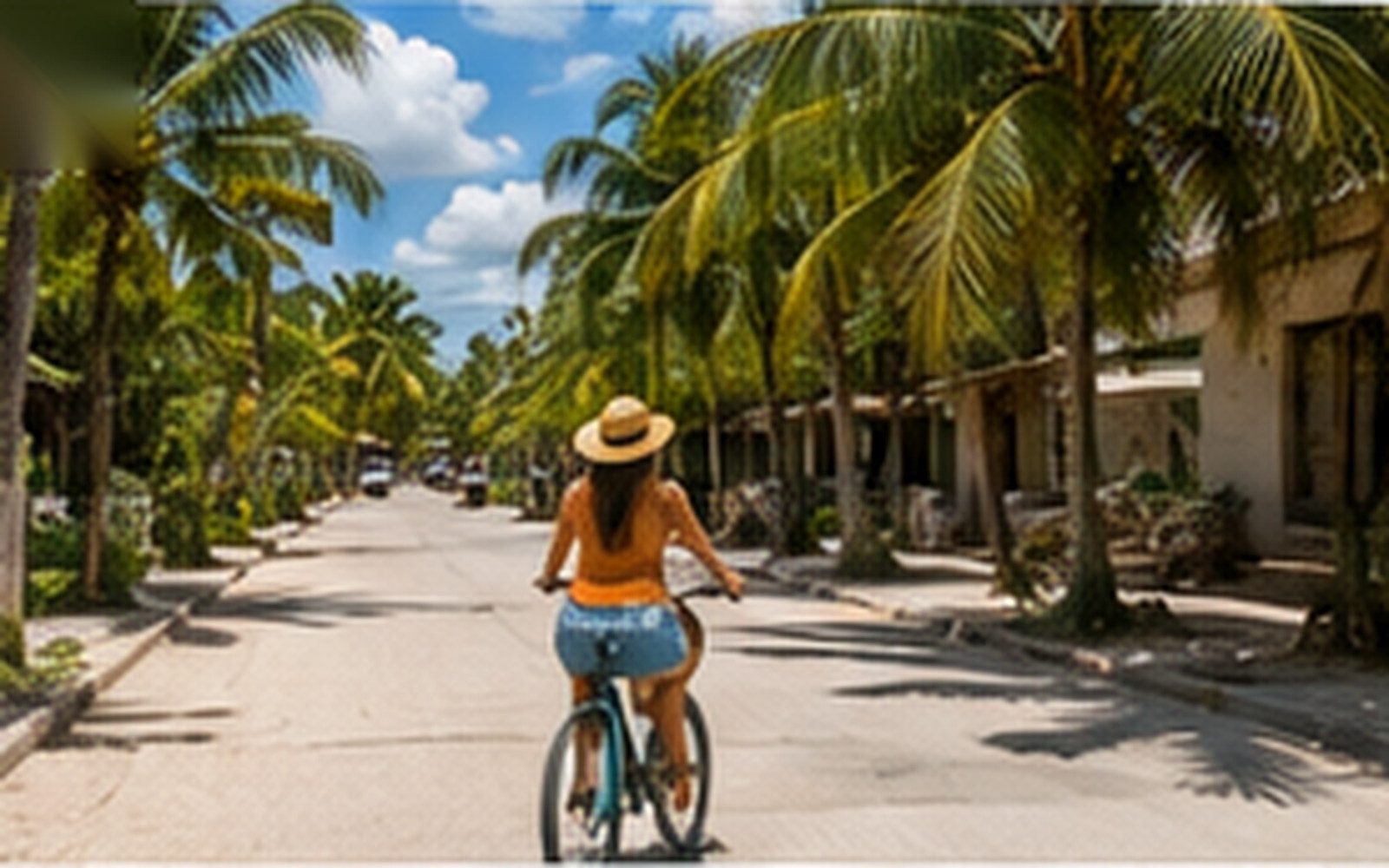
Think in zones, not one center
Tulum Pueblo, Aldea Zama, La Veleta, the beach road, the ruins and the train or airport connections are separated. A method that works inside one area may not work for the complete day. Before leaving, know the exact destination pin, distance, road type, lighting, weather, return time and final available ride.
Walking
Walking works for restaurants and services inside compact parts of town or within a small section of the beach road. Sidewalks can be incomplete, surfaces uneven and traffic close. Use visible clothing after dark, face traffic where no safe pedestrian path exists and avoid reading the phone while crossing. Heat can turn a reasonable map distance into a difficult walk.
Bicycles
Bicycles can reduce short vehicle trips when the rider is comfortable with traffic, heat and road conditions. Before renting, test brakes, adjust the seat, check tires, request a lock, lights and a properly fitted helmet, photograph existing damage and confirm overnight storage. Avoid unfamiliar dark roads and riding after alcohol.
Taxis
Taxis can connect town, residential zones, beaches and attractions. Before entering, state the destination, agree on the total fare and currency, confirm waiting or extra stops and keep small payment options. Ask the hotel or venue to arrange the return when possible. Exact fares and app availability require current verification.
Rental cars
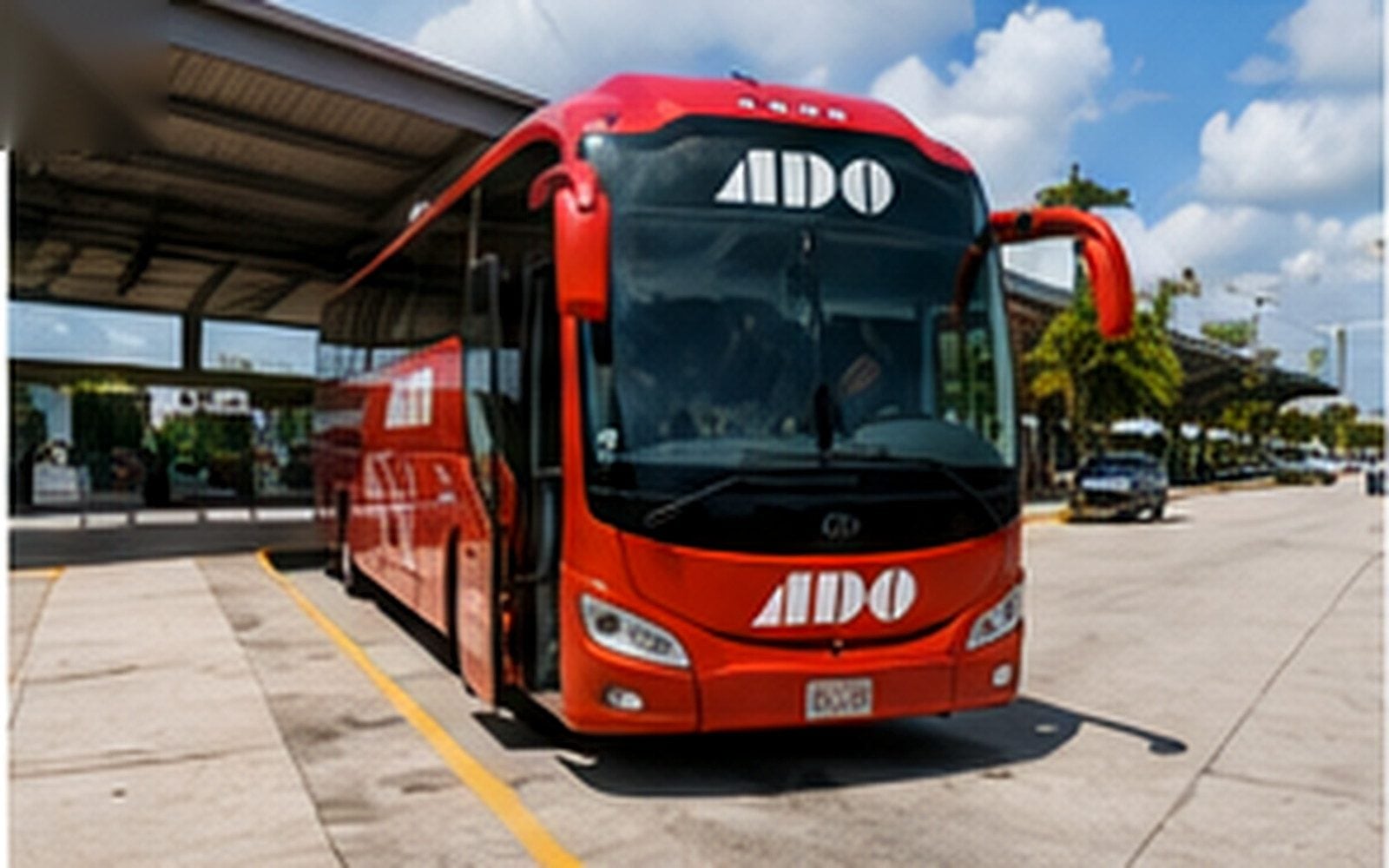
A car becomes useful when several days include cenotes, Cobá, Muyil, Akumal or other regional locations. Confirm insurance, deposit, fuel, roadside support, additional drivers and parking. Avoid driving after drinking, do not enter flooded or unmarked tracks and never leave valuables visible.
Scooters and motorcycles
A scooter can be easier to park but increases exposure to rain, traffic and serious injury. Rent only when legally eligible and experienced. Use a certified helmet, closed shoes and visible clothing. Confirm license and insurance requirements and do not learn in beach-road traffic.
Colectivos and scheduled transport
Colectivos can be useful along established highway corridors for travelers with light luggage and a clear destination. They are not airport transfers or door-to-door beach transportation. Ask where to board and stop, keep the map visible and avoid blocking other passengers. Routes and fares require local verification.
Rail, bus, families and nighttime travel
Tren Maya stations, regional buses and airports remain outside many lodging areas, so include the first and last transfer. Families should confirm child restraints rather than assuming every taxi has them. Travelers with mobility devices should confirm storage and pickup surfaces. At night, use a prearranged ride when the road is dark, narrow or unfamiliar.
Google Maps
Consumer map pins are useful for orientation, but may not show temporary closures, construction, parking changes or the exact entrance used on the travel date.
Accidental Gringo tips
- Choose the return method before leaving the accommodation.
- Agree on a taxi fare before the ride begins.
- Test bicycle brakes, lights and lock in front of the rental provider.
- Add station transfers when comparing rail or bus with a direct vehicle.
- Use a car only when the itinerary benefits from regional flexibility.
Warnings
- Do not bicycle or walk on dark unfamiliar roads after drinking.
- Do not rent a scooter without suitable experience, licensing and insurance.
- Do not quote a taxi or colectivo fare as permanent without a current check.
Three common mistakes
Mistake 1: Assuming the entire destination is walkable
Individual zones can be walkable while major areas remain separated.
Mistake 2: Renting a bicycle without safety equipment
Check brakes, lights, lock, helmet and the actual route.
Mistake 3: Planning only the outbound trip
Beach, cenote and nightlife trips need a confirmed ride home.
Frequently asked questions
Can I get around Tulum without a car?
Yes. Many travelers combine walking, bicycles, taxis, colectivos and scheduled transport. The lodging location determines how convenient that combination will be.
Is biking safe in Tulum?
It depends on rider skill, route, daylight, traffic, weather and equipment. Use a helmet and lights and avoid unsuitable roads.
Should I negotiate a taxi fare?
Ask and agree on the total fare before entering. Confirm currency, waiting and any additional stop.
Related Accidental Gringo guides
- Where to Stay in Tulum
- Tulum Visitor Guide
- Tulum Beach Guide
- Cancún to Tulum Transportation Comparison
- Tulum With Kids
Verification notes
Last reviewed: July 14, 2026
Taxi fares, colectivo routes, app access, road construction, bicycle lanes and parking rules can change. This guide focuses on the decision process.
Official and authoritative sources
- https://caribemexicano.travel/destino/tulum/
- https://reservas.ventaboletostrenmaya.com.mx/
- https://parquedeljaguar.grupomundomaya.com/
- https://www.gob.mx/sectur/angelesverdes
Needs Review before publication or future updates
- Current taxi rates and any published fare system
- Current colectivo routes, boarding points and fares
- Current bicycle lanes, road closures and park restrictions
- Current station shuttles and schedules
- Current rental licensing and insurance requirements