
Local travel guide
Valladolid Without a Car: 3-Day Itinerary for Chichen Itza, Cenotes & the City (2026–2027)
A practical three-day Valladolid itinerary for travelers without a rental car, covering the walkable city, Chichen Itza, cenotes, colectivos, taxis and realistic return planning.
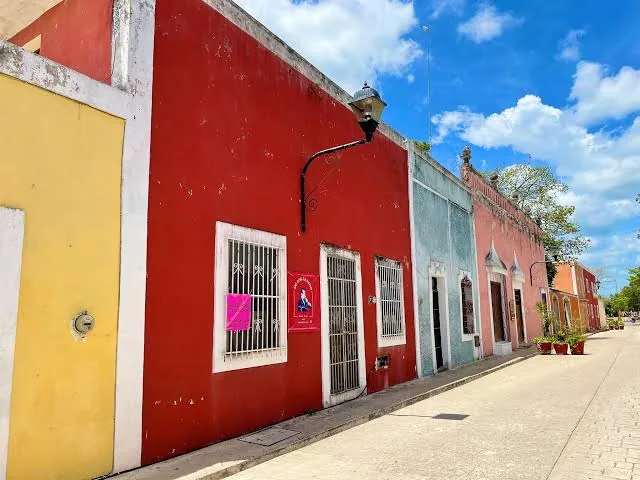
Last reviewed: September 10, 2026. You absolutely can use Valladolid as a base without renting a car. In fact, for a three-day stay, I would not rent one unless you specifically want to string together several rural stops in the same day. The center is walkable, Chichen Itza is reachable by public transportation, and nearby cenotes are easy enough to handle with a taxi when you choose one carefully.
The trick is not trying to make public transportation behave like a rental car. Build each day around one major outing, know how you are getting back before you leave, and keep some pesos in small bills.
Quick answer
Stay near Valladolid's historic center. Spend your first day walking the city, use an early colectivo or another verified same-day service for Chichen Itza on Day 2, and use a taxi for one nearby cenote on Day 3. If you would rather have more archaeology, swap the cenote day for Ek Balam.
If you are coming from Cancun, remember one detail that causes more confusion than it should: Valladolid is one hour behind Cancun and the rest of Quintana Roo. Check every ticket and reservation in local time.
Why Valladolid works well without a car
Valladolid is one of the easier inland Yucatan bases for travelers who do not want to drive. The historic center, Parque Principal, San Servacio, Calzada de los Frailes and Barrio de Sisal can all be connected on foot. The ADO terminal is also central enough to be useful rather than becoming a separate transportation project.
Where people get into trouble is outside the city. Rural cenotes, Ek Balam and smaller communities do not all have the kind of fixed, frequent transportation schedule travelers may expect. That does not mean you need a car. It means you should stop planning three remote attractions in one afternoon.
My rule here is simple: one regional anchor per day.
Day 1: Walk Valladolid before you start chasing day trips
Start with the city itself. Valladolid is often treated like the place you sleep before Chichen Itza, and that misses the point. Give the center a real morning or afternoon before you leave town for anything else.
A practical first route is:
- Parque Principal Francisco Canton Rosado
- Iglesia de San Servacio
- The surrounding historic-center streets
- Calzada de los Frailes
- Barrio de Sisal
- The former Convent of San Bernardino de Siena
- A slow walk back toward the center for dinner
Our Valladolid walking route gives you two-, four- and six-hour versions if you want to match the route to heat and energy.
Should you add Cenote Zaci on Day 1?
Maybe. Cenote Zaci is inside Valladolid and close enough to the center that it is the easiest cenote to add without a vehicle. The state environmental listing identifies it as a semi-open cenote reached by stone stairs.
I would still confirm current swimming status, admission and operating conditions the same day. Cenote access changes, and an old photo of people swimming is not proof that swimming is available today.
If Zaci is not a good fit, do not force another cenote into Day 1. Have a long lunch, take a break during the hottest part of the afternoon and use the evening for the plaza and Calzada de los Frailes.
Day 2: Chichen Itza without a rental car
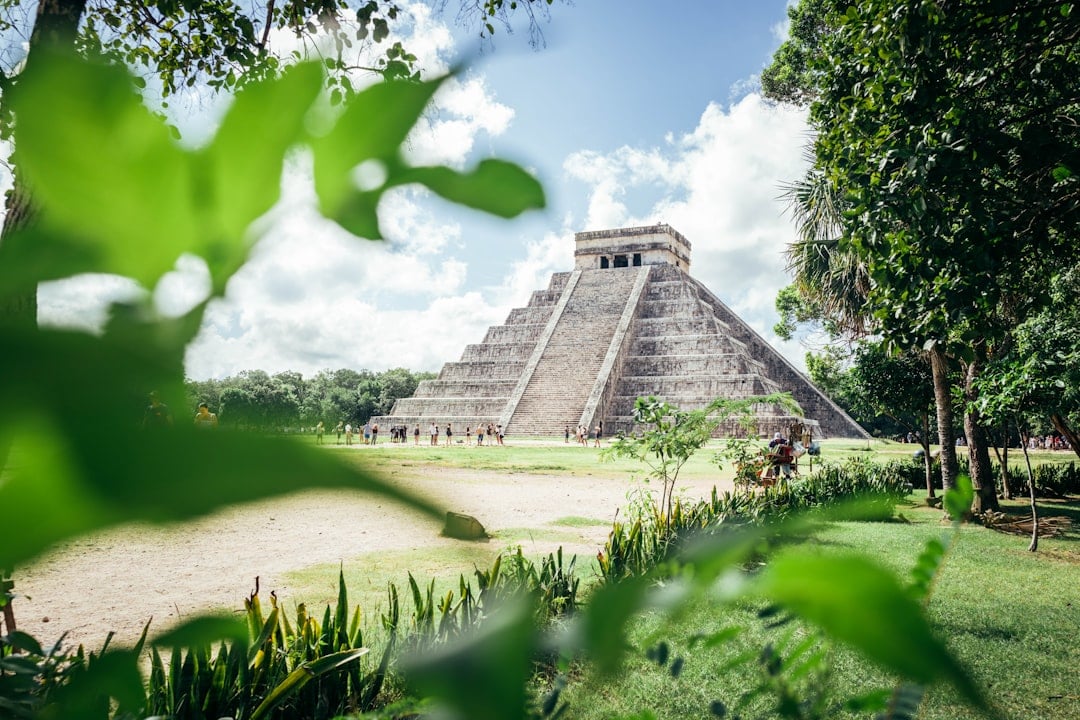
This is the day when staying in Valladolid pays off. Chichen Itza is roughly 40 kilometers away, so you are much closer than travelers starting in Cancun or Playa del Carmen.
INAH currently lists the archaeological zone as opening at 8:00 AM, with current closing and last-entry rules that should be rechecked before your visit. Getting there early is still the goal because the heat and the larger tour groups build later in the morning.
Best budget option: colectivo
For many independent travelers, the colectivo is the most useful choice because it can give you more flexibility than building the day around a single scheduled bus. Shared vans commonly leave from the central Valladolid area near the bus terminal corridor.
Do not rely on a blog from six months ago for the exact departure point, fare or first departure. Ask locally the evening before, then confirm again in the morning. Bring small pesos.
What about ADO?
ADO is useful, but do not automatically assume its current Valladolid–Chichen Itza schedule will get you to the ruins at opening. Scheduled departures can change and may be limited on a particular date. Check ADO for your actual travel day before deciding.
If the current ADO departure is later than you want, use a verified colectivo, taxi or transfer instead of sacrificing the best part of the morning just because you prefer a formal ticket.
What about Tren Maya?
I would not build this particular day around Tren Maya unless the current timetable and station transfers happen to line up very well. The railway can be useful for longer regional movement, but Valladolid's train station is outside the historic center and Chichen Itza also involves last-mile planning. For a simple Valladolid-to-ruins day, the extra transfer can erase the advantage.
How long should you stay at Chichen Itza?
For most first-time visitors, protect the morning and do not attach three more stops to the return trip. If you want a cenote after Chichen Itza, choose one only after confirming the transportation and the return to Valladolid. Otherwise, return to Valladolid, shower, rest and go out again in the cooler evening.
See our Chichen Itza planning hub if you want to compare timing, walking, guides and cenote combinations before you go.
Day 3: Pick one cenote that is easy enough without a car
This is where a taxi earns its keep. A short taxi ride to one well-chosen cenote is usually easier, faster and less stressful than trying to piece together multiple informal connections simply to prove you traveled cheaply.
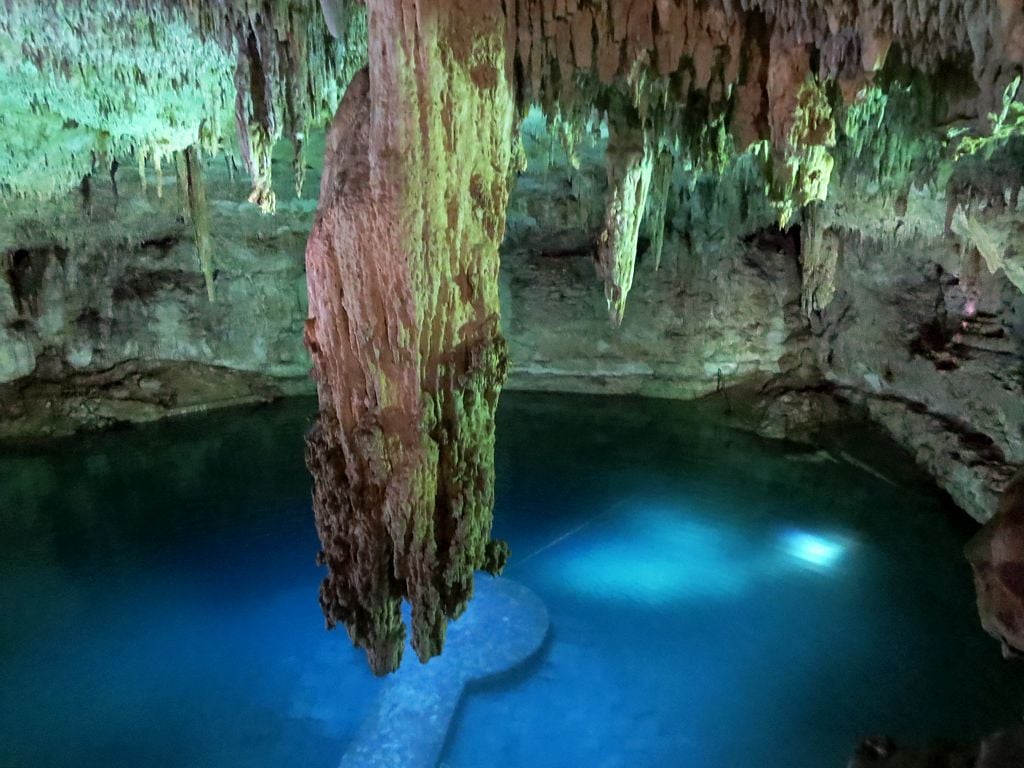
Option 1: Cenote Suytun
Suytun is about 8 kilometers east of Valladolid on the road toward Ticuch. Its own website currently lists daily opening from 9:00 AM to 5:00 PM, with the last cenote access at 4:00 PM. It also specifically warns visitors about the one-hour time difference between Yucatan and Quintana Roo.
Suytun is one of the easiest rural cenotes to understand before leaving because the operator publishes current visitor information. I would still arrange the return before you enter: ask your driver to wait, agree on a pickup time, or confirm how you will request another taxi.
Option 2: Hacienda Oxman
Oxman is another practical taxi outing from Valladolid and gives you a more open cenote setting. Current listings show daytime operation, but verify hours and admission directly before leaving town.
This is the kind of place where a taxi is worth the extra money. The expensive mistake is not paying for the ride out. It is arriving with no clear way back.
Option 3: Keep it simple with Cenote Zaci
If you do not care about collecting famous cenote photos, staying in town can be the smarter choice. Zaci lets you keep the day flexible, especially if rain, heat or travel fatigue has caught up with you.
Our Valladolid cenote comparison is the better place to compare water access, stairs, facilities and family fit.
Alternative Day 3: Ek Balam instead of a cenote day
If archaeology interests you more than swimming, use Day 3 for Ek Balam. It is much closer to Valladolid than Chichen Itza and can be reached by shared transportation or taxi, depending on what is operating that day.
The important part is the return. Informal shared services can thin out later in the afternoon, so do not arrive without knowing your backup. A round-trip taxi can be a sensible upgrade if you want more time at the site or at nearby Cenote X'Canche.
We have a separate Ek Balam from Valladolid 2026 guide with current ticket and site-planning details.
Where to stay when you do not have a car
Location matters more than almost anything else. Stay close enough to the historic center that you can walk to meals, the plaza and the ADO area without needing a taxi every time you leave the hotel.
I would choose a central hotel over a prettier property on the edge of town if the whole point of the trip is being car-free. A pool is also genuinely useful here. Valladolid can be hot in the afternoon, and having somewhere comfortable to disappear for two hours makes the trip better.
The transportation mistakes I would avoid
- Assuming every colectivo has a fixed online timetable. Many do not. Confirm locally.
- Leaving for a rural cenote without a return plan. Arrange pickup before you swim.
- Using Cancun time in Valladolid. Yucatan is one hour behind Quintana Roo.
- Trying to combine Chichen Itza, two cenotes and Valladolid in one public-transport day. That is a transportation challenge, not a vacation.
- Choosing Tren Maya just because it is new. Compare the complete door-to-door trip, including the station transfers.
- Carrying only cards. Keep small pesos for shared vans, taxis and places where the card terminal is not cooperating.
A realistic car-free budget
The cheapest possible trip is not always the best value. Walking in Valladolid costs nothing, shared transportation can keep the Chichen Itza day inexpensive, and then you can spend selectively on a taxi for the cenote day.
That combination usually makes more sense than renting a car for three days, paying insurance and fuel, finding parking and having one person in the group drive every time everyone else is relaxing.
For travelers arriving from Cancun, compare the complete journey in our Cancun to Valladolid transportation guide.
Accidental Gringo take
If I had three days in Valladolid and did not want to drive, I would not feel limited at all. I would stay central, spend the first day getting to know the city, go early to Chichen Itza on the second day and pay for a taxi to one good cenote on the third.
What I would not do is spend those three days trying to save every possible peso on transportation. The sweet spot is using public transportation where it works well and paying for a taxi when it removes uncertainty.
That gives you a trip that still feels independent without turning every day into a logistics exercise.
Frequently asked questions
Do I need a car in Valladolid?
No. If you stay near the center, most of Valladolid itself is walkable. A car becomes more useful only when you want several rural attractions in the same day.
Can I get from Valladolid to Chichen Itza without a tour?
Yes. Public transportation and shared vans are commonly used, but current schedules and pickup points should be verified for the day you travel.
Can I visit cenotes without a car?
Yes. Cenote Zaci is in the city, while rural cenotes such as Suytun or Oxman are practical by taxi. Arrange the return before entering a rural site.
Is Tren Maya the easiest way to visit Chichen Itza from Valladolid?
Not necessarily. The station transfers can make a simple trip longer. Compare the current train timetable with colectivo, ADO and taxi options door to door.
How many nights should I stay?
Three nights is a very comfortable car-free format because it gives you time for Valladolid, one Chichen Itza day and one flexible cenote or Ek Balam day without cramming.
Current information checked for this guide
Reviewed September 10, 2026. Transportation schedules, fares, cenote access and archaeological-site rules can change. Recheck them shortly before travel.
- INAH Chichen Itza visitor information: https://lugares.inah.gob.mx/es/node/5663
- Cenotes Suytun official visitor information: https://cenotessuytun.com/
- Valladolid tourism information for Cenote Zaci: https://www.valladolid.mx/orientemaya/valladolid/atracciones/cenote-zaci
- Accidental Gringo Valladolid hub: https://theaccidentalgringo.com/valladolid/