
Local travel guide
Tulum With Kids: A Family Planning Guide
Plan Tulum with children using realistic guidance for lodging, car seats, heat, beaches, ruins, cenotes, meals, naps, accessibility and daily pacing.
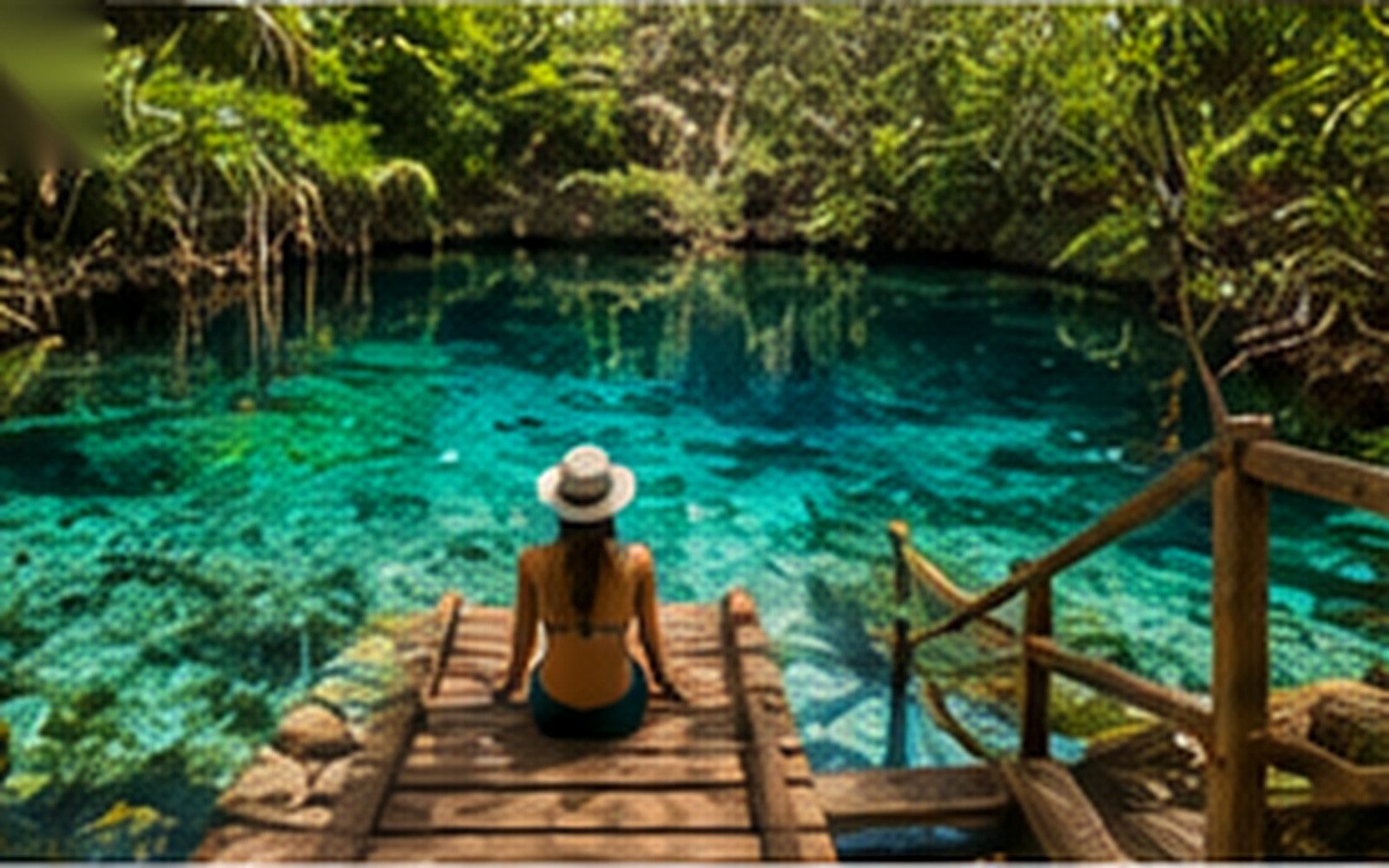
The family day is longer than the attraction
Count dressing, breakfast, loading the vehicle, finding the entrance, waiting, changing clothes, meals and the return. A two-hour attraction can occupy most of a morning. Use one main objective—ruins, beach, cenote, nature or town—and add a second activity only when it is close and optional.
Choose lodging around sleep and food
Families may value a separate sleeping area, kitchen or refrigerator, pool barrier, confirmed crib, quiet hours, reliable air conditioning, backup power, safe vehicle drop-off and laundry. A beautiful remote property can become difficult when every snack or medicine requires transportation.
Transportation and child restraints
Confirm whether the vehicle provides a rear-facing seat, forward-facing seat or booster; how many are available; who installs them; and the vehicle model. “Child seat available” is incomplete. Bring a familiar restraint when practical and permitted, and never hold a child on a bicycle or scooter.
Tulum ruins with children
Arrive early and use a short route. Children can focus on the wall, coastal trade, how archaeologists study buildings and why conservation rules prevent climbing. Plan water, toilets and a firm finish time. Do not promise swimming below the ruins because access can close.
Beach days
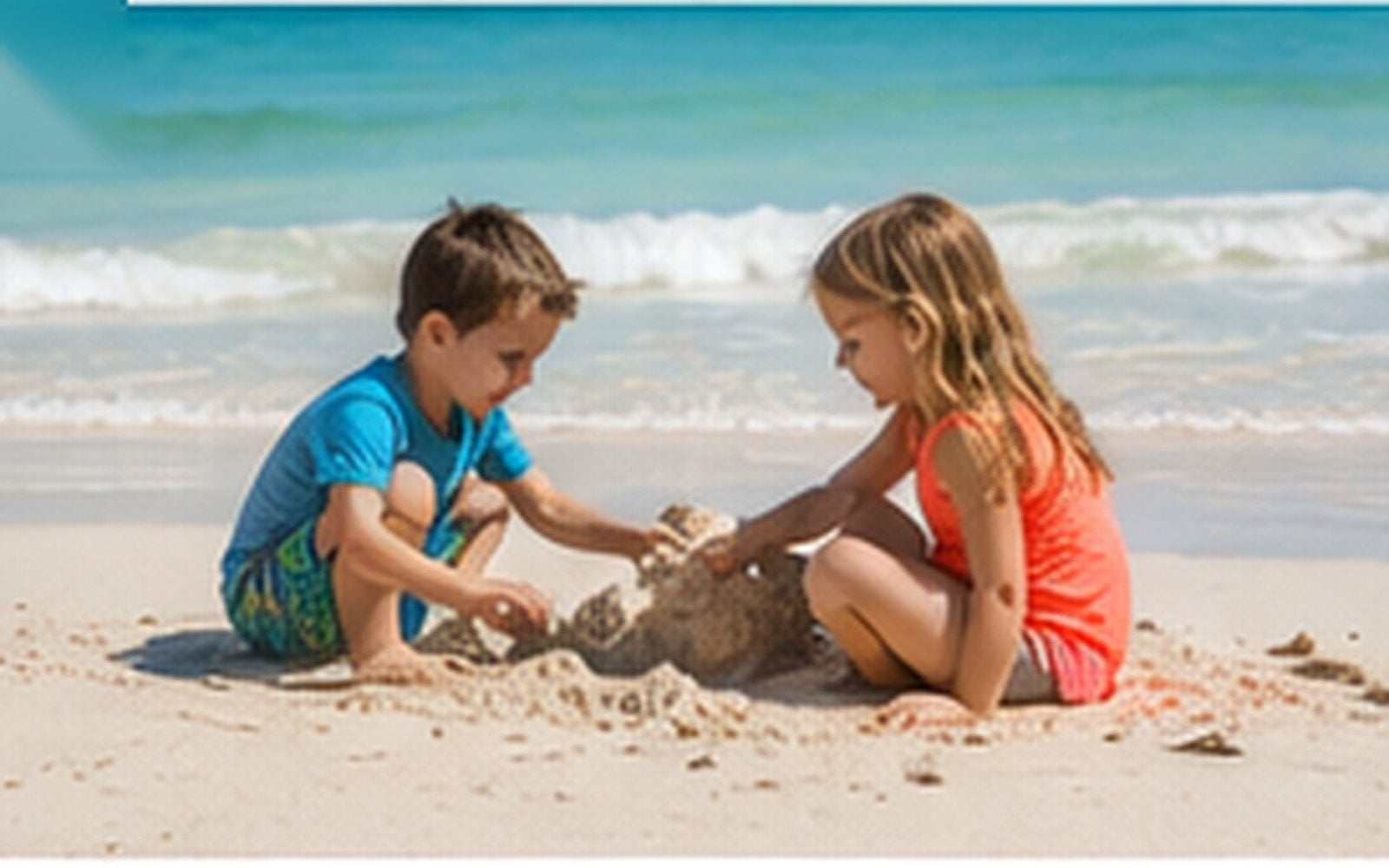
Choose shade, toilets, food and manageable access before a famous name. Check waves, flags and sargassum that day. Keep children within immediate adult reach according to ability and conditions. Inflatable toys and arm bands do not replace supervision or an appropriate life jacket.
Cenotes with children
Ask about water depth, life jackets, stairs, platforms, cave darkness, changing rooms, toilets, food and age rules. A child comfortable in a pool may react differently to deep natural water or a dark cavern. Never force entry and use managed locations with clear rules.
Heat, hydration, meals and medicine
Children can overheat before explaining the problem. Schedule shade, water and quiet time, and watch for unusual fatigue, headache, nausea, dizziness, irritability or confusion. Carry a backup snack, keep medicine in the cabin bag and identify a nearby pharmacy and medical option before they are needed.
Teenagers and shared decisions
Teenagers often engage more when given a role such as route navigator, photographer, Spanish phrase leader, budget tracker or beach-condition checker. Include them when choosing between a beach, cenote and cultural stop.
Google Maps
Consumer map pins are useful for orientation, but may not show temporary closures, construction, parking changes or the exact entrance used on the travel date.
Accidental Gringo tips
- Choose one main activity and protect the midday rest.
- Confirm the exact child restraint and vehicle in writing.
- Select beach access by shade, toilets and waves rather than fame.
- Give older children a role in the plan.
- Carry a written Spanish allergy or medical note when relevant.
Warnings
- Do not leave children unsupervised near pools, beaches, cenotes or roads.
- Do not assume every cenote, beach entrance or lodging is stroller-friendly.
- Do not add a scooter or bicycle child passenger without proper equipment and experience.
Three common mistakes
Mistake 1: Building an adult sightseeing day
Children need shorter transfers, meals, shade, sleep and permission to stop.
Mistake 2: Accepting a vague car-seat promise
Confirm type, quantity, installation and vehicle before arrival.
Mistake 3: Choosing water activities without checking depth and access
Swimming skill in a pool does not automatically transfer to waves or deep cenote water.
Frequently asked questions
Is Tulum good for families?
It can be when lodging, transportation and daily pacing match the children. It is not one compact all-inclusive destination, so location planning matters.
Can I take a stroller to the Tulum ruins?
Outdoor surfaces and access routes vary. A sturdy stroller may help some families, but confirm current paths and be prepared for carrying or uneven areas.
Are Tulum cenotes safe for children?
Suitability varies by cenote, depth, stairs, life-jacket policy and child. Choose a managed site and supervise directly.
Related Accidental Gringo guides
- Tulum Visitor Guide
- Tulum Archaeological Zone Visitor Guide
- Tulum Beach Guide
- Getting Around Tulum
- Tulum Safety and Practical Planning
Verification notes
Last reviewed: July 14, 2026
Family suitability depends on the exact property, vehicle, beach, cenote and weather. Age limits, car-seat availability and water conditions are dynamic.
Official and authoritative sources
- https://www.inah.gob.mx/zonas/99-zona-arqueologica-de-tulum
- https://lugares.inah.gob.mx/es/node/5786
- https://conanp.gob.mx/conanp/dominios/tulum/codigo_de_conducta.php
- https://caribemexicano.travel/destino/tulum/
- https://www.gob.mx/911
Needs Review before publication or future updates
- Current child-seat availability and transport policy
- Current beach flags, waves and sargassum
- Current cenote age, life-jacket and entry policies
- Current stroller or mobility route at the ruins
- Current medical facility details and operating status