
Local travel guide
Pesos, Dollars, Cards and ATMs in Cancún: A Practical Money Guide
Use a safer mix of Mexican pesos, cards and backup funds in Cancún. Understand ATM choices, exchange-rate references, dynamic currency conversion and the information to confirm with your bank.
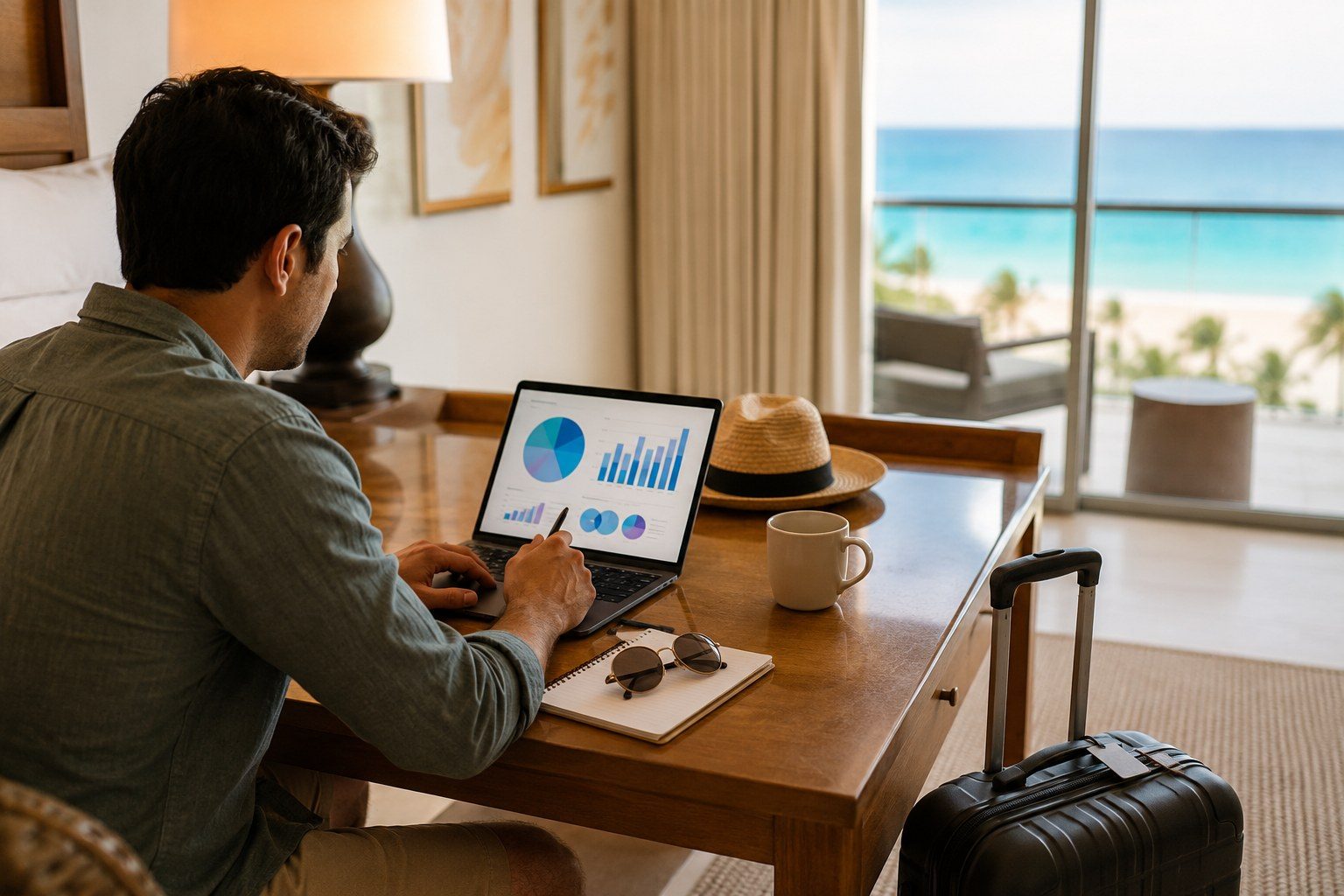
Build a three-part payment plan
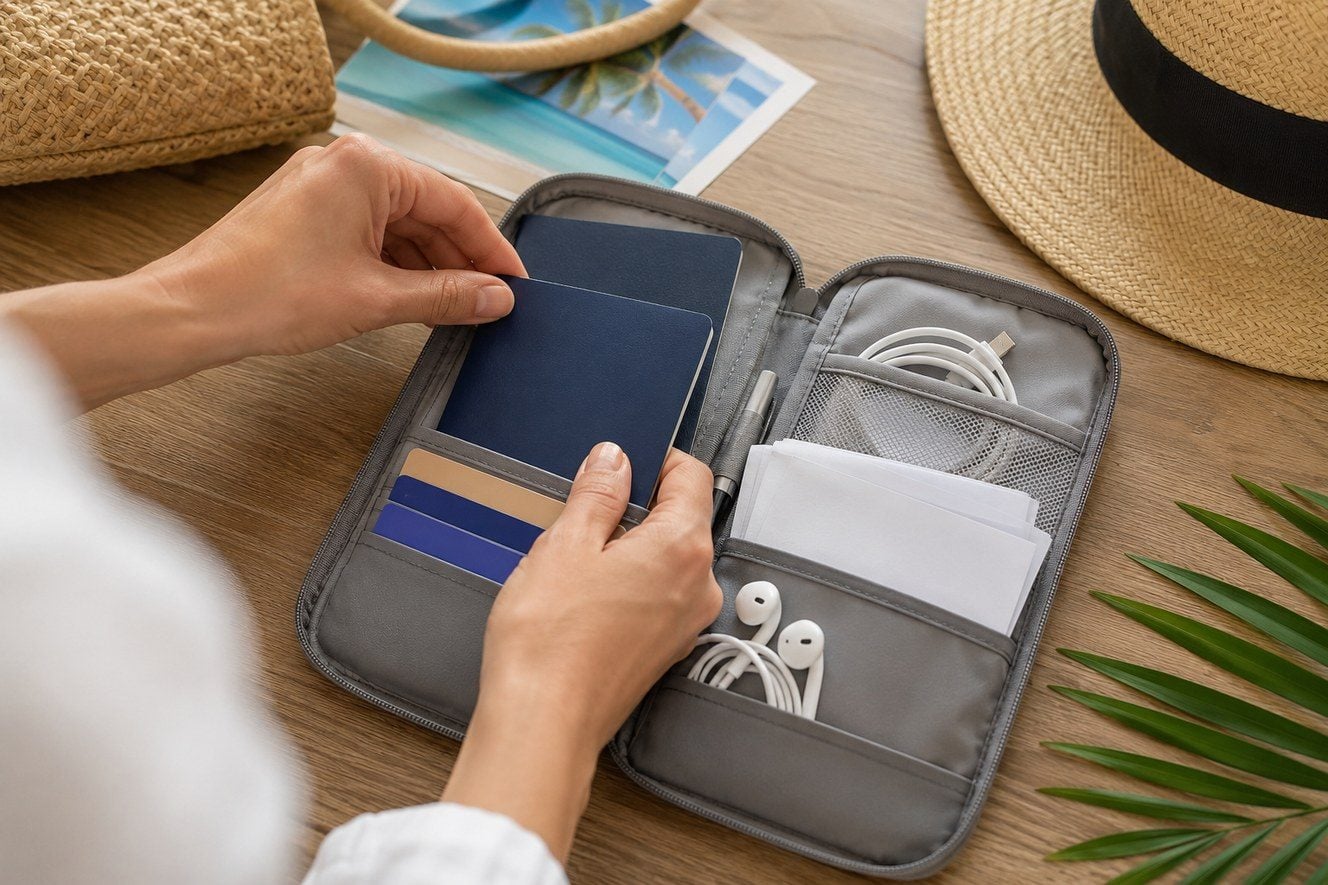
Use one primary card, a second card from a different account or network, and a modest amount of Mexican pesos. Keep the backup card and emergency cash separate from the main wallet.
Tell your bank or card issuer about travel only if its current policy requires it. Confirm foreign transaction fees, ATM fees, daily withdrawal limits and emergency contact methods.
Use pesos as the local reference
Prices in Mexico should be understood first in Mexican pesos. A business may choose to accept another currency, but its conversion rate can differ from the official or card-network rate.
Record the approximate current exchange rate before leaving the hotel. Use Banco de México as a reference, while remembering that consumer cash-exchange and card rates will not exactly match the official FIX rate.
Understand dynamic currency conversion
Some terminals and ATMs offer to convert the transaction into the cardholder's home currency. This is called dynamic currency conversion.
The screen should identify both currencies, the conversion rate and relevant costs. Visa states that the merchant or ATM must let the cardholder accept or decline the offer and may not choose on the cardholder's behalf.
Read the entire screen. Do not press a colored button based only on appearance.
Use ATMs deliberately
Prefer a machine connected to a recognized bank and located inside or immediately beside a staffed, well-lit location.
Before using it:
- Inspect the card slot and keypad.
- Look for loose covers, unusual attachments or damaged seals.
- Shield the keypad.
- Decline help from strangers.
- Take the card, cash and receipt before leaving.
- Check the account afterward.
CONDUSEF recommends avoiding dark or isolated ATMs and checking for foreign objects around the card reader.
Withdraw fewer, planned amounts
Multiple small withdrawals can multiply fees. One very large withdrawal increases the amount of cash exposed to loss.
Choose an amount that covers near-term cash needs without becoming the trip's entire cash reserve. Store excess cash securely and carry only the day's expected amount.
Use cards with a receipt trail
For hotels, tours and larger restaurant purchases, a card can provide a clearer transaction record. Check the final currency and amount before approving the charge.
Hotels and car-rental companies may place temporary holds. Ask how much will be held, which card can be used and when the hold is expected to be released.
Prepare for a lost or blocked card
Save issuer phone numbers outside the physical wallet. Know how to freeze a card in the issuer app and how to contact the bank without receiving a text message on the home mobile number.
Do not store the full card number and security code together in an unprotected note.
Track spending in pesos
Record purchases in pesos, then estimate the home-currency total once per day. This is more reliable than mentally converting every purchase with a rounded rate that changes throughout the trip.
Keep enough flexibility for pending hotel holds and transactions that post later.
Accidental Gringo tip
Keep one card and a modest amount of cash separate from your main wallet. A backup stored in the same wallet is not a real backup.
Practical details
- Location: Cancún, Quintana Roo, with general guidance applicable across Mexico.
- Cost and pricing: ATM operators, home banks and card issuers may each charge fees. The exchange rate and any conversion markup can change daily.
- Timing: Use ATMs during daytime or while a bank or staffed business is open when possible.
- Transportation: Do not depend on a driver or isolated roadside stop as the only opportunity to obtain cash.
- Accessibility: Travelers who need assistance should choose staffed bank locations and keep payment instructions simple and private.
- Family fit: Give responsible adults separate backup payment methods rather than allowing one person to carry every card and all cash.
- What to bring: Two payment cards, issuer contact information, a modest amount of pesos, current exchange-rate reference and secure digital copies of card-support numbers.
- Google Maps: https://www.google.com/maps/search/?api=1&query=bank+ATM+Cancun+Mexico
Common mistakes
- Keeping every card and all cash in one wallet.
- Accepting a currency-conversion screen without reading the rate, fees and currency labels.
- Using an isolated ATM or one with loose, unusual or added parts near the card slot.
Frequently asked questions
Should I bring pesos or dollars to Cancún?
Mexican pesos are the local currency and the simplest reference for everyday prices. A small amount of home currency can be a backup, but do not assume every merchant will offer a favorable conversion.
Is it safe to use an ATM in Cancún?
Use bank-affiliated machines in bright, staffed or well-trafficked locations, inspect the card slot and keypad, shield your PIN and keep the receipt until the transaction is confirmed.
Should I choose pesos or my home currency on a card terminal?
Review the exchange rate and fees shown. Visa explains that merchants and ATMs must give the cardholder a real choice. Paying in local currency normally leaves conversion to the card issuer, but compare your issuer's terms.
Verification notes
Last reviewed: July 14, 2026
This article separates stable planning guidance from details that can change. Recheck all current prices, schedules, provider terms, app features, entry rules, alerts and operating information shortly before publication and travel.
Official and primary sources:
- https://www.banxico.org.mx/tipcamb/main.do?idioma=en&page=tip
- https://www.condusef.gob.mx/?idc=780&idcat=1&p=contenido
- https://www.visa.com/en-us/personal/travel/dynamic-currency-conversion
- https://www.visa.com/en-us/personal/travel
Needs Review before future publication updates: Current exchange rate, ATM fees, bank policies, card-network rules, merchant acceptance and any statement about a specific bank or ATM location.