
Local travel guide
Best Time to Visit Cancún: Weather, Crowds and Trip Style
Choose when to visit Cancún by comparing heat, rain, Atlantic hurricane season, holiday demand, family schedules, wildlife interests and the type of vacation you want.
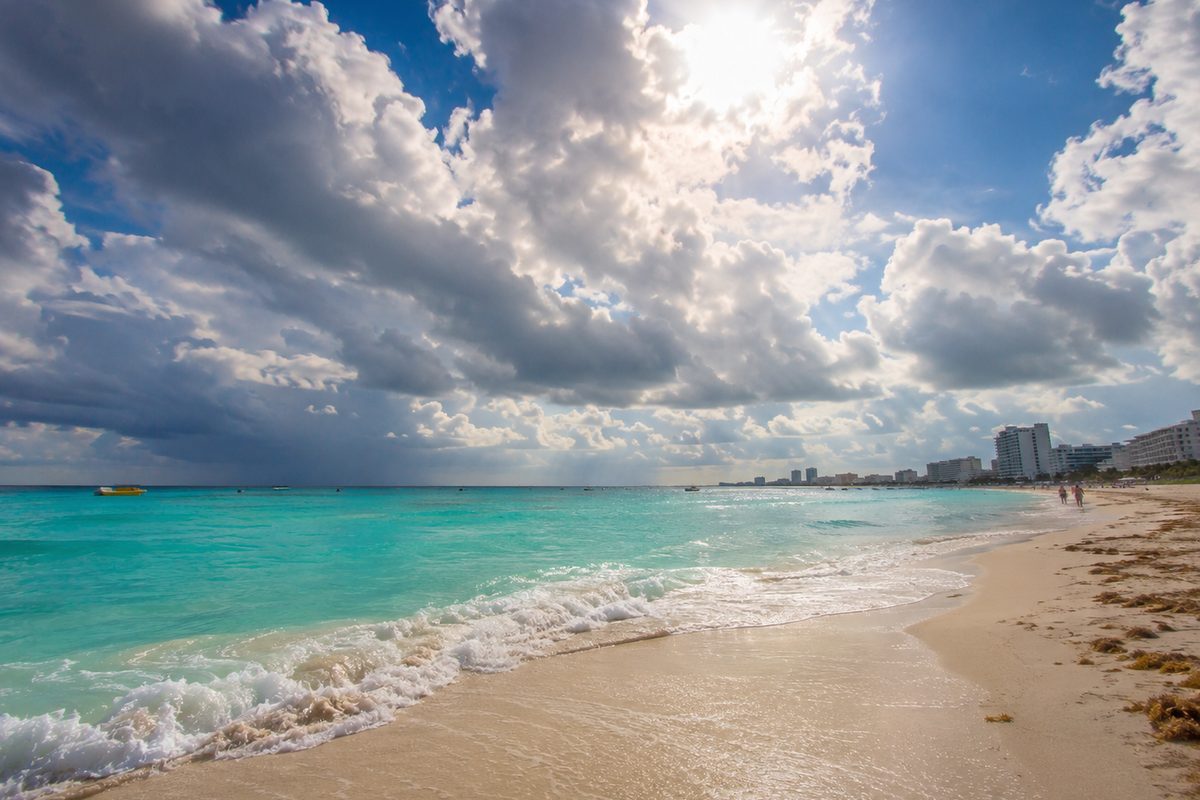
Do not choose a month from one promise
Statements such as “perfect weather,” “no rain” or “seaweed-free” should not be treated as guarantees.
A future trip can be affected by:
- Short tropical showers
- Strong wind
- Rough water
- Heat
- Humidity
- A cold front
- Tropical systems
- Localized flooding
- Beach-management conditions
- Changes in tourism demand
Climate describes patterns. A forecast describes a shorter period. Neither guarantees the exact beach hour a traveler will experience.
Drier and milder periods
Many travelers prefer the part of the year that tends to bring milder temperatures and lower rainfall.
Potential advantages:
- More comfortable archaeological and city walking
- Lower heat load
- Pleasant evenings
- Easier outdoor meal planning
Potential trade-offs:
- Popular holiday and winter demand
- Higher room or flight prices on some dates
- More competition for specific resorts and tours
- Cooler or windy days that may not match a hot-weather expectation
Travelers seeking warmth should still pack for sun. “Milder” in Cancún does not mean a cold-climate vacation.
Warmer and wetter periods
Warmer months can bring:
- Hotter afternoons
- Higher humidity
- Strong sun
- Short intense showers
- Longer periods of cloud or rain during some weather systems
- Very warm water
- Lush inland scenery
This period can work well for travelers who:
- Use early mornings
- Rest during the hottest hours
- Accept weather changes
- Choose refundable or movable activities
- Value pool and water time
- Carry simple rain protection
Do not schedule the most important outdoor activity on the only available hour.
Atlantic hurricane season
The National Hurricane Center defines the Atlantic hurricane season as June 1 through November 30. Tropical activity can occur outside those dates, but the official season is the primary planning period.
A hurricane-season trip should include:
- Flexible airline and lodging terms where practical
- A clear insurance decision
- Hotel emergency-procedure review
- Official forecast sources
- Medication and documents accessible
- A communication plan
- Enough financial reserve to handle disruption
Do not use a social-media forecast made far in advance as a travel decision. As the trip approaches, use the National Hurricane Center, Mexico’s Servicio Meteorológico Nacional, the airline, hotel and local authorities.
Hurricane-season insurance questions
Before purchasing a policy, read:
- Named-storm exclusions
- When coverage becomes unavailable
- Trip-cancellation reasons
- Trip-interruption coverage
- Delay requirements
- Accommodation coverage
- Medical coverage
- Evacuation terms
- Documentation required for a claim
Insurance is a contract. A broad marketing phrase is not the policy language.
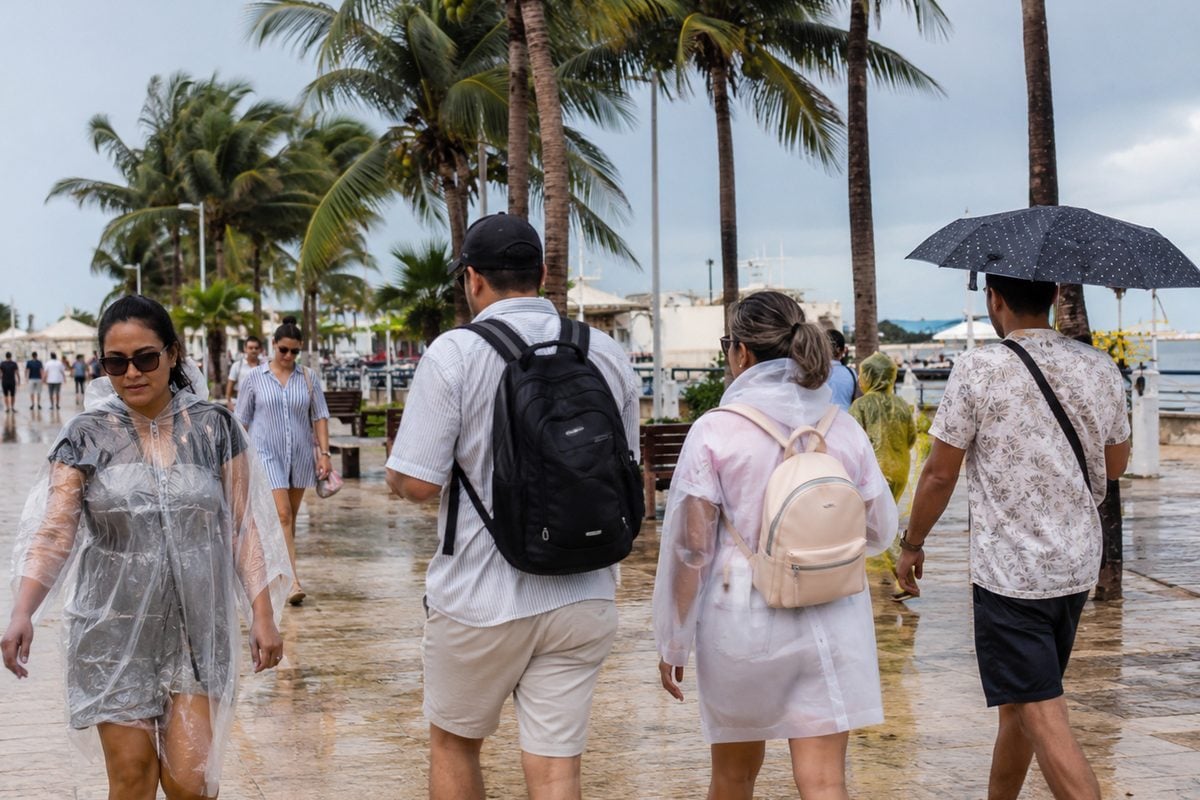
Rain does not always mean a lost day
A forecast icon can represent a chance of rain during part of the day rather than continuous rain at every location.
Useful responses:
- Start important outdoor plans early
- Carry a light rain layer
- Protect the phone
- Keep one indoor or flexible option
- Ask how the operator handles weather
- Avoid making dangerous assumptions around lightning or rough water
A short shower and an organized-weather cancellation are different situations.
Heat changes the itinerary
Heat is not only a comfort issue. It affects walking speed, appetite, patience, children, older travelers and people with health or mobility needs.
For outdoor days:
- Begin early
- Carry water
- Use shade
- Wear a secure hat
- Schedule breaks
- Reduce the route before exhaustion
- Keep medication within safe storage requirements
- Avoid stacking a long excursion with a late-night reservation
The hottest-feeling day may not be the date with the highest air temperature because humidity, wind and sun exposure also matter.
Wind and water conditions
Boat tours, ferries, snorkeling and beach swimming depend on more than rain.
Ask about:
- Wind
- Port restrictions
- Waves
- Currents
- Visibility
- Operator cancellation policy
- Rescheduling
- Alternative route
A bright day can still have unsuitable water conditions. Follow beach flags and official instructions.
Holiday and school-calendar demand
Demand can rise around:
- Christmas and New Year periods
- Spring school breaks
- Easter-period travel
- Summer family vacations
- Long holiday weekends
- Major events
Exact demand changes by origin market and year.
Traveling during a popular period does not make the experience bad. It means the traveler should reserve the room, room configuration, airport transport and highest-priority experience earlier.
Couples and celebrations
Couples planning a wedding, anniversary or proposal should protect the one event that matters most.
Consider:
- Indoor or covered backup
- Photography weather plan
- Sunset time confirmation
- Flexible dinner location
- Wind-sensitive décor
- Transportation buffer
- Dress and footwear for heat
A celebration trip benefits from fewer fragile connections.
Families
Families should compare climate and school convenience together.
A lower-demand period may not be useful if it requires difficult school absence. A holiday week may cost more but simplify the family calendar.
Plan around:
- Child heat tolerance
- Nap and meal schedules
- Pool supervision
- Weather backup
- Flight timing
- Room layout
- Flexible cancellation
Seasonal wildlife and nature experiences
Some wildlife experiences operate within regulated or natural seasons.
Before booking:
- Confirm the legal operating period
- Use an authorized provider
- Understand that sightings are not guaranteed
- Review conservation rules
- Check current departure point
- Review age, swimming and health restrictions
- Avoid language that promises contact with wildlife
Seasonal availability should be verified for the specific year.
Sargassum and beach conditions
Sargassum presence can vary by date, wind, current, beach orientation and local management.
Do not use a yearly label to guarantee conditions at a particular hotel. Check:
- Recent dated reports
- Property communication
- Beach-maintenance practices
- Alternative beach or pool plans
- Whether the trip depends on one exact shoreline experience
A traveler can plan around uncertainty without pretending it does not exist.
A simple month-selection method
Choose three priorities:
- Weather comfort
- Price flexibility
- School or work calendar
- Low commitment
- Outdoor touring
- Beach and water focus
- Seasonal experience
Then identify the period that supports the most important two. Accept the trade-off attached to the third.
Google Maps
- Cancún: https://www.google.com/maps/search/?api=1&query=Cancun+Quintana+Roo
- Hotel Zone: https://www.google.com/maps/search/?api=1&query=Cancun+Hotel+Zone
- Downtown Cancún: https://www.google.com/maps/search/?api=1&query=Downtown+Cancun
Weather can differ across short distances, so use location-specific forecasts close to the date.
Accidental Gringo tips
- Choose dates from priorities, not a “perfect month” claim.
- Read cancellation terms before hurricane-season travel.
- Use official forecasts near departure.
- Put the most important outdoor experience early enough to reschedule.
- Treat wind and water conditions separately from rain.
- Keep a covered or flexible plan that the group would genuinely enjoy.
Common mistakes
- Treating climate averages as a guarantee for a specific week.
- Assuming hurricane season means a storm will occur—or that dates outside it have no weather risk.
- Booking every outdoor activity on fixed consecutive days without understanding cancellation terms.
Frequently asked questions
What is the driest time to visit Cancún?
Broad climate patterns can favor drier periods, but yearly and daily conditions vary. Use official climatology for planning and current forecasts near travel.
Should I avoid hurricane season completely?
That is a personal risk and flexibility decision. Many trips occur during the official season, but travelers should understand insurance, cancellation and official alert procedures.
Does a rain forecast mean it will rain all day?
Not necessarily. Forecasts can indicate a chance of showers during part of the day. Use detailed official forecasts and follow safety instructions.
Verification notes
Last reviewed: July 14, 2026
This article separates durable planning advice from details that can change. Recheck official requirements, operating status and reservations shortly before publication and again before travel.
Official and authoritative sources used:
- Mexico Servicio Meteorológico Nacional: https://smn.conagua.gob.mx/es/
- SMN Quintana Roo climatological normals: https://smn.conagua.gob.mx/es/climatologia/informacion-climatologica/normales-climatologicas-por-estado?estado=qroo
- National Hurricane Center tropical cyclone climatology: https://www.nhc.noaa.gov/climo/
- Official Visit Mexico Cancún destination page: https://visitmexico.com/en/destino/2540/cancun-quintana-roo
Needs Review before future publication updates: Current forecasts, tropical systems, local alerts, beach conditions, sargassum reports, wildlife seasons, holiday demand, prices and operator weather policies.