
Local travel guide
Are Valladolid Cenotes Safe in 2026? What Yucatán’s Naegleria Case Means for Travelers
A confirmed Naegleria fowleri case in Mérida has travelers asking about cenotes. Here’s what authorities actually said, what it means for Valladolid, and sensible freshwater precautions.
Updated September 2026. If you’ve seen headlines about a confirmed _Naegleria fowleri_ case in Yucatán and immediately wondered whether it’s still safe to swim in cenotes around Valladolid, that’s a reasonable question.
The short version: Yucatán’s confirmed case was linked to an artificial lake in Mérida, not a cenote. The state government says that lake is isolated and is not connected to other recreational water sites or the public water network. There is currently no official announcement linking Valladolid-area cenotes to the case.
<strong>Leer esta guía en español →</strong>
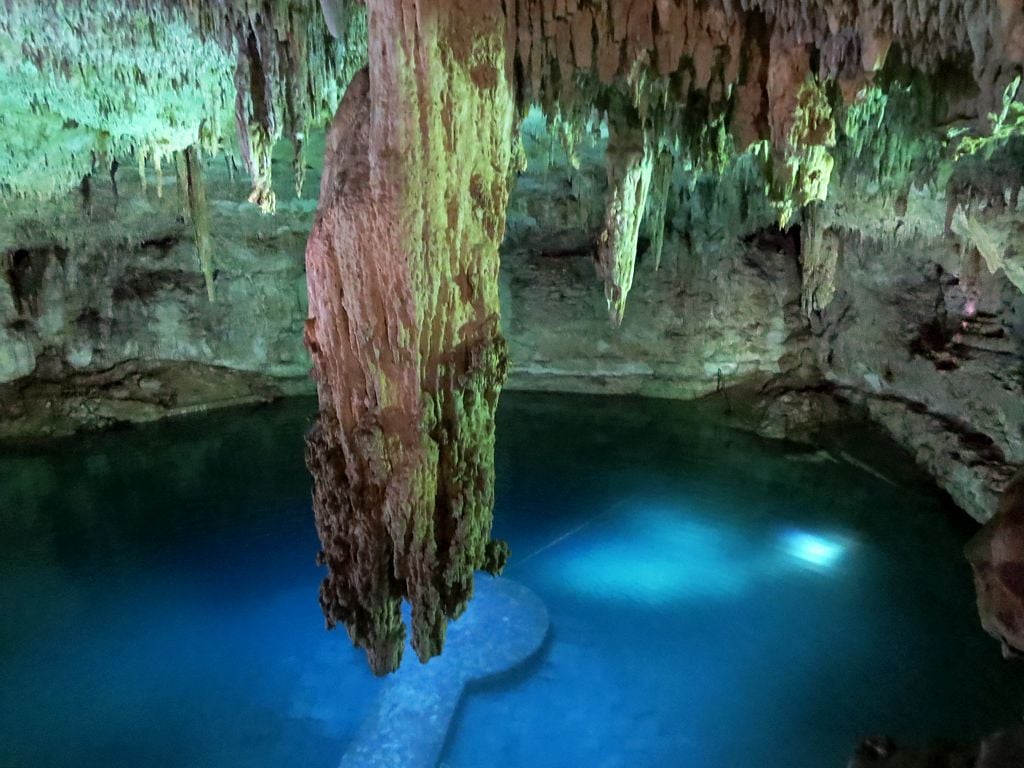
!Cenote Suytún cave near Valladolid with its central platform and overhead light
_Cenote Suytún near Valladolid. This cenote has not been identified by authorities as connected to the Mérida case._
What happened in Yucatán?
Yucatán health authorities confirmed the presence of _Naegleria fowleri_ in an artificial recreational lake in Mérida after the state recorded its first known case of primary amebic meningoencephalitis, or PAM.
The lake was taken out of operation. In its September 14 statement, the Government of Yucatán said the artificial lake is not connected to other recreational spaces or to the public water system and said there is no risk to the general population from that specific body of water.
That distinction matters because some headlines can make it sound as if there is a statewide contamination problem. That is not what authorities have reported.
Does this mean Valladolid cenotes are unsafe?
There is no current official evidence connecting the Mérida incident to Valladolid cenotes.
That said, I also wouldn’t tell anyone that every natural freshwater swimming spot is completely risk-free. The U.S. CDC says _Naegleria fowleri_ can live in warm fresh water such as lakes, ponds, rivers and hot springs, and recommends treating warm freshwater exposure as a low but real risk.
The infection itself is extremely rare. It happens when contaminated water goes up the nose and the organism reaches the brain. You do not get PAM simply by swallowing contaminated water, and it does not spread person to person.
What I’d do if I were visiting Valladolid right now
I would not cancel a Valladolid trip or automatically remove cenotes from the itinerary because of this Mérida case.
I would, however, use the same common-sense precautions that public-health agencies recommend for warm freshwater:
- Avoid forcing water up your nose.
- If you’re jumping or diving, hold your nose or use a nose clip.
- Avoid stirring up bottom sediment in shallow warm freshwater.
- If a site has posted health restrictions or a closure, follow them.
- Pay attention to whether a facility appears well managed and whether local authorities have issued any current warning.
For most Valladolid travelers, the practical takeaway is not “don’t swim.” It’s “don’t confuse one isolated Mérida incident with every cenote in Yucatán, and use reasonable freshwater precautions.”
What about Suytún, Oxman, X’Kekén and other Valladolid cenotes?
As of this update, I have not seen a Yucatán government notice identifying the major Valladolid-area cenotes as connected to the Mérida case.
That includes the kinds of places travelers regularly ask me about around Valladolid. Conditions and official guidance can change, though, so if a specific cenote is important to your trip, check its current operating status close to the day you plan to go.
A useful detail most headlines leave out
_Naegleria fowleri_ is not something you catch from another person, and it is not an illness you get just because you drank freshwater. The main concern is contaminated water entering the nose.
That’s why the prevention advice focuses so much on diving, jumping, wakeboarding and other activities that can push water forcefully into the nasal passages.
When should someone seek medical care?
The CDC advises getting medical attention immediately if someone develops sudden severe headache, fever, nausea or vomiting, or a stiff neck after recent exposure to warm freshwater. PAM progresses quickly, so this is not a situation to “wait and see” if those symptoms appear after a relevant exposure.
My take for travelers
This is worth knowing about, but it is not a reason for panic.
The confirmed Yucatán case involved a specific artificial lake in Mérida that authorities have isolated. There is no current official link to Valladolid’s cenotes. If you’re visiting, keep an eye on local notices, use sensible warm-freshwater precautions, and don’t let a scary headline turn into a claim that the evidence doesn’t support.
---
Planning Valladolid? Start with our Valladolid travel hub and our cenote guide for practical planning, timing and what to expect.
_Sources checked September 2026: Government of Yucatán public-health statement dated September 14, 2026, and current CDC guidance on Naegleria fowleri and freshwater exposure. This article will be updated if Yucatán authorities issue guidance affecting Valladolid-area cenotes._