
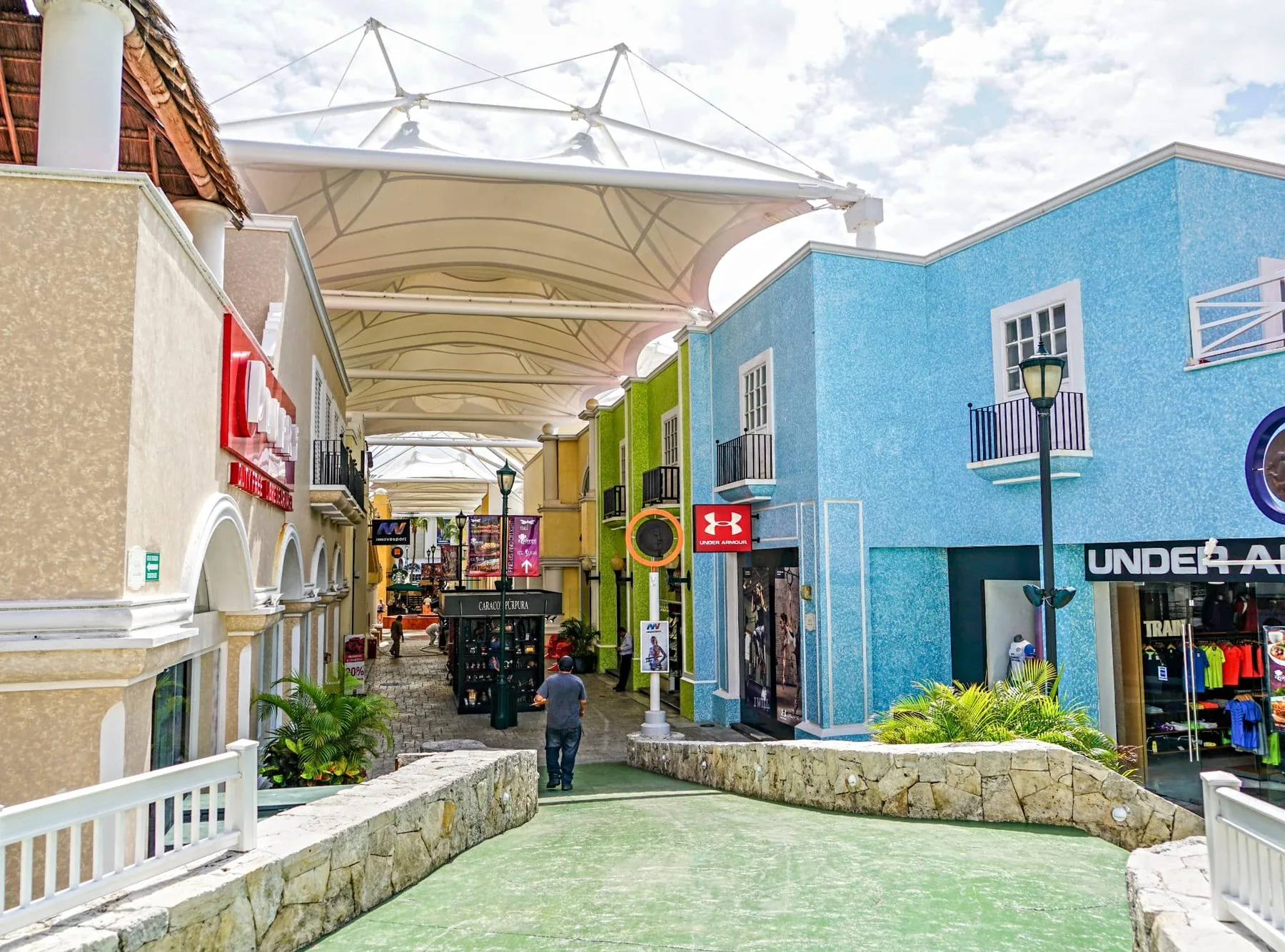
Travel essay · Mexico Beyond the Headlines
The Biggest Misconception About Mexico Isn’t What You Think
The country I expected was built from headlines. The country I found was built from people, places and ordinary life.
This story reflects the author’s experience and perspective. Conditions, safety circumstances and operating details can change; use the practical planning sections of the site for current trip information.
If you ask someone who’s never been to Mexico what they picture, the answers usually come quickly.
Cartels.
Crime.
Resorts.
Cheap tequila.
Spring break.
It’s remarkable how an entire country of nearly 130 million people has been reduced to a handful of headlines and vacation commercials.
I’ll admit something.
I believed many of those stereotypes too.
Before my first trip, I read the travel advisories. Friends warned me to be careful. Family members wondered if I was making a mistake.
Some even asked me if I’d be carrying cash in my shoes.
The Mexico I expected was a place where I would constantly need to look over my shoulder.
The Mexico I found was something entirely different.
I discovered grandparents sitting in town squares every evening while children chased pigeons across the plaza.
I found neighborhoods where people still greeted strangers with a smile.
I met families who invited me into conversations despite my broken Spanish.
I found communities where life slowed down long enough for people to actually know their neighbors.
That doesn’t mean Mexico is perfect.
It isn’t.
Just as New York isn’t America.
Paris isn’t France.
And Los Angeles isn’t California.
No country can be understood through its worst headlines.
The mistake isn’t believing Mexico has challenges.
The mistake is believing those challenges define every place, every person, and every experience.
Imagine judging the entire United States solely by what you see on the evening news.
You’d probably never visit Chicago because of crime statistics.
You’d avoid California because of wildfires.
You’d skip Florida because of hurricanes.
You’d miss Yellowstone because of bear attacks.
It sounds ridiculous when we say it that way.
Yet that’s exactly how many people judge Mexico.
The irony is that some of the safest I’ve ever felt has been walking through small Mexican towns late in the evening, where families filled the streets, vendors sold fresh corn, and music drifted from open windows.
The danger wasn’t around me.
The danger wasn’t around me. It was inside the assumptions I’d carried with me.
It was inside the assumptions I’d carried with me.
As I spent more time here, another misconception quietly disappeared.
Many people believe Mexico is simply a less expensive version of somewhere else.
It’s not.
It isn’t trying to be the United States.
Or Europe.
Or Canada.
It’s its own world.
Its own rhythm.
Lunch lasts longer.
Conversations matter.
Families often gather every Sunday.
Neighbors still know each other’s names.
People celebrate life differently.
Time feels different here.
You begin to notice sunsets.
You linger over dinner.
You stop measuring every hour by productivity.
Some people call that slower.
I’ve come to think of it as fuller.
Today, when someone tells me they’re nervous about visiting Mexico, I understand.
I used to feel the same way.
Fear often grows in the absence of experience.
But experience has a remarkable way of shrinking fear.
Mexico taught me something I wasn’t expecting.
The greatest danger isn’t always traveling somewhere unfamiliar.
Sometimes it’s allowing someone else’s story to become your own before you’ve written a single page yourself.
Travel has a way of exposing more than new places.
It exposes old assumptions.
And few countries have challenged mine more than Mexico.
Not because it was the country I expected.
But because it wasn’t.
Continue the journey
Turn the feeling into a useful next step.
Read next
More stories from Mexico
 Belonging & Home
I Didn’t Come to Mexico Looking for a New Home. Cancún Changed That.
4 min read Reinvention
I Sold Almost Everything I Owned to Move to Mexico. It Was Never Really About Mexico.
4 min read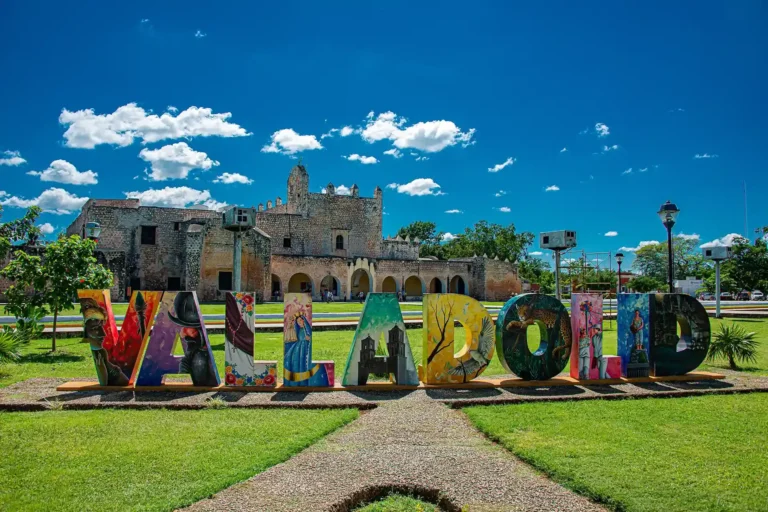 Places That Stay With You
Why Valladolid Stole My Heart (And I Never Saw It Coming)
4 min read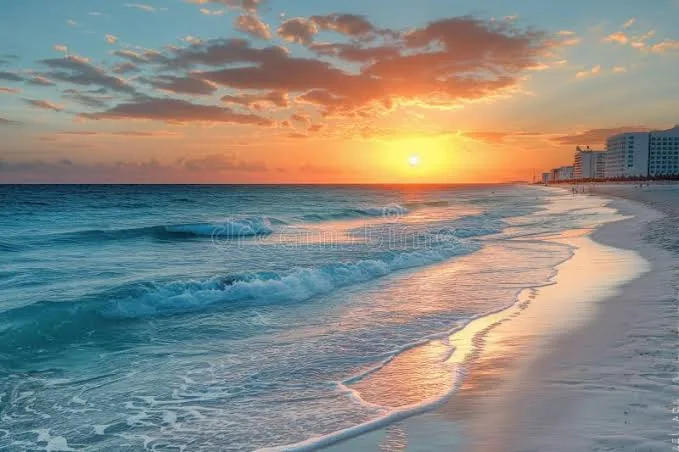 Ordinary Moments