Short answer: In early 1848, during the conflict commonly called the Caste War of Yucatán, rebel forces attacked and besieged Valladolid. The city was eventually abandoned by its defenders and residents on March 14, 1848, after supplies became increasingly difficult to maintain. Rebel forces then entered, looted and burned parts of the city.
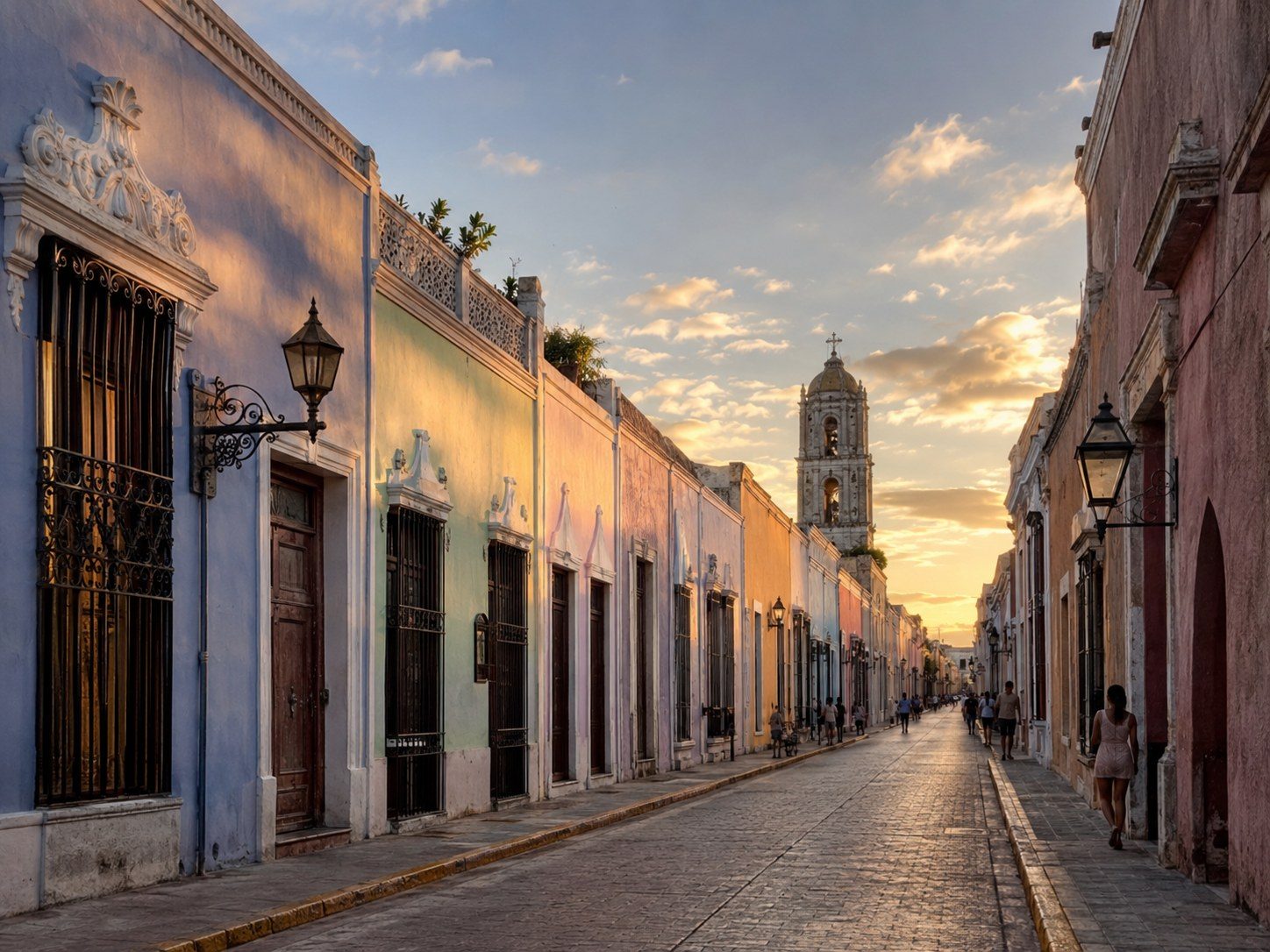
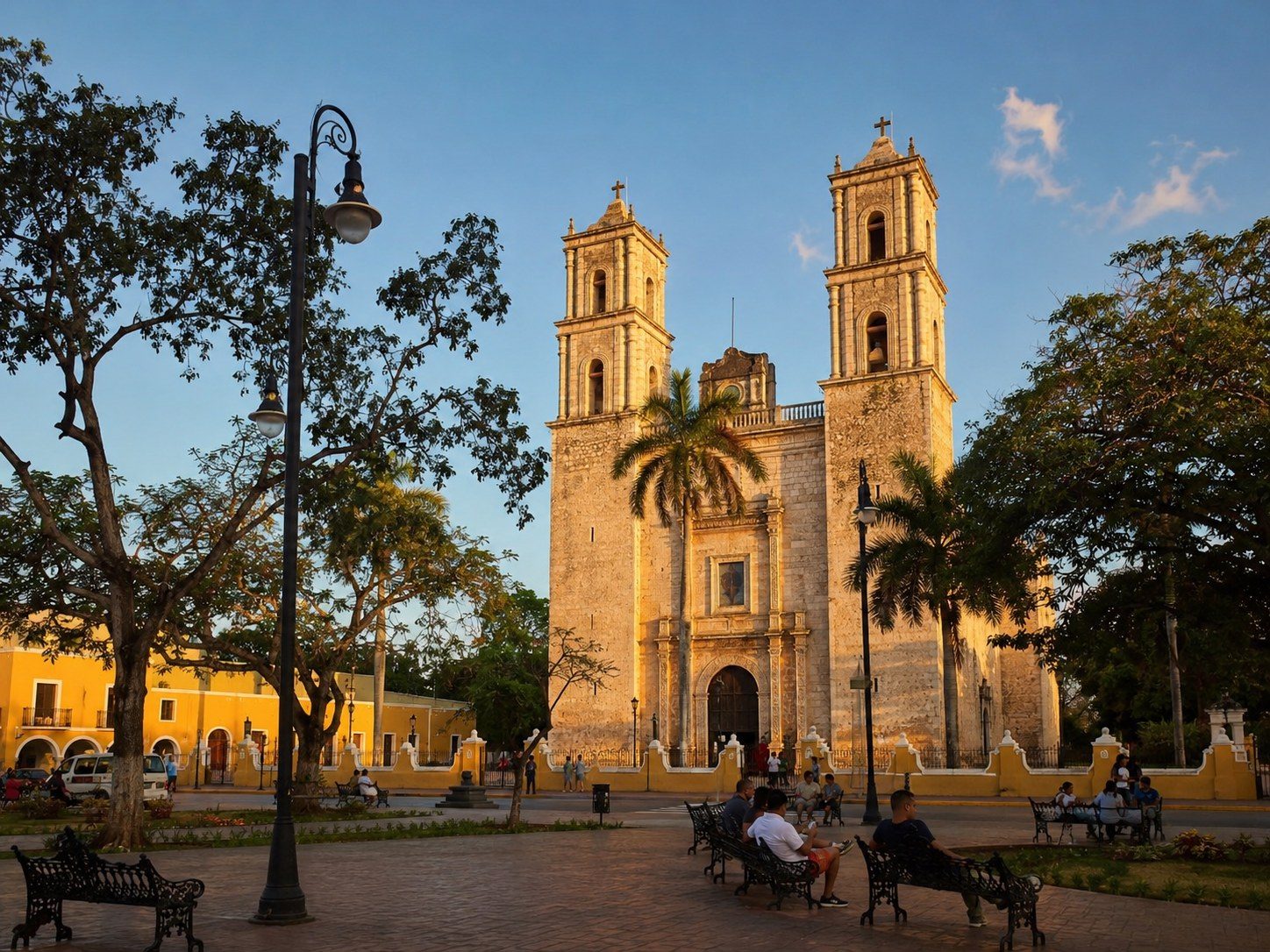
That history is easy to miss when you are walking around Valladolid today. The center is colorful, busy and increasingly polished for visitors. But some of the most important history in eastern Yucatán happened on these same streets.
When did the attack on Valladolid begin?
Yucatán's official chronology records the first major attack on Valladolid on January 28, 1848. Historical research published by Mexico's National Institute of Anthropology and History describes a siege beginning in January and ending with the city falling to Maya rebel forces.
The fighting was part of a much larger conflict that began in 1847 and continued, in changing forms, until 1901. You will usually see it called the Guerra de Castas, or Caste War, although modern historians have questioned whether that old label accurately describes such a complicated social, political and economic conflict.
Why were people fighting?
There is no useful one-sentence explanation. Land, taxes, church fees, labor demands, political power and longstanding inequality all mattered. The rebel side was not one perfectly unified army, and historians caution against reducing the war to a simple story of Maya versus white Yucatecans.
That nuance matters because the simplified version is the one travelers are most likely to hear.
What happened when Valladolid fell?
The municipal history of Valladolid records that the city was abandoned on March 14, 1848 because supplying the defending forces had become too difficult. Rebel forces entered that same day, looting and burning the city.
So the old headline saying Valladolid “nearly fell” actually understates what happened. Valladolid did fall to rebel forces. The more interesting question is how the city recovered and how much of that history remains visible—or invisible—to visitors today.
The cenote beneath San Bernardino connects directly to this story
One of the most tangible connections was documented beneath the former Convent of San Bernardino de Siena. Archaeologists working in Cenote Síis Já recorded firearms and a cannon associated with the Caste War period.
That discovery turns what can feel like distant history into something physical. We explain the archaeology separately in our article about the weapons found in the cenote.
Can you see Caste War history while visiting Valladolid?
Yes, but do not expect a theme-park-style historical trail with every event marked for you. The former Convent of San Bernardino is the obvious starting point, and understanding the 1848 siege changes the way you look at the city around it.
If you have more than a quick day trip, this is one reason Valladolid becomes more interesting after you have already seen the main square and Calzada de los Frailes. The pretty version of Valladolid is easy to see. The historical version takes a little more work.
My take
I would not turn a Valladolid vacation into a history lecture. But I also would not walk through San Bernardino, the old neighborhoods and the center thinking this was simply a peaceful colonial town that somehow arrived intact in the present.
The city has been fought over, abandoned, rebuilt and reinvented. Knowing even a little of that makes Valladolid more interesting—not less.
For the practical side of visiting, start with our Valladolid travel guide. If the history is what interests you, pair this article with our broader explanation of the Caste War and the story of the weapons beneath San Bernardino.
Frequently asked questions
Did Valladolid actually fall during the Caste War?
Yes. Valladolid's official municipal chronology says the city was abandoned on March 14, 1848 and entered by rebel forces that same day.
When did the Caste War begin?
The conventional starting date is July 30, 1847, following escalating events in eastern Yucatán. The conflict continued in different phases until 1901.
Was the Caste War simply Maya versus Europeans?
No. That is an oversimplification. Modern historical work emphasizes shifting alliances and a mix of social, economic, political and ethnic factors.
What does San Bernardino have to do with the war?
The former convent is one of Valladolid's major historic sites, and the cenote beneath it contains documented weapons associated with the Caste War period, making it an unusually direct archaeological connection to the conflict.